
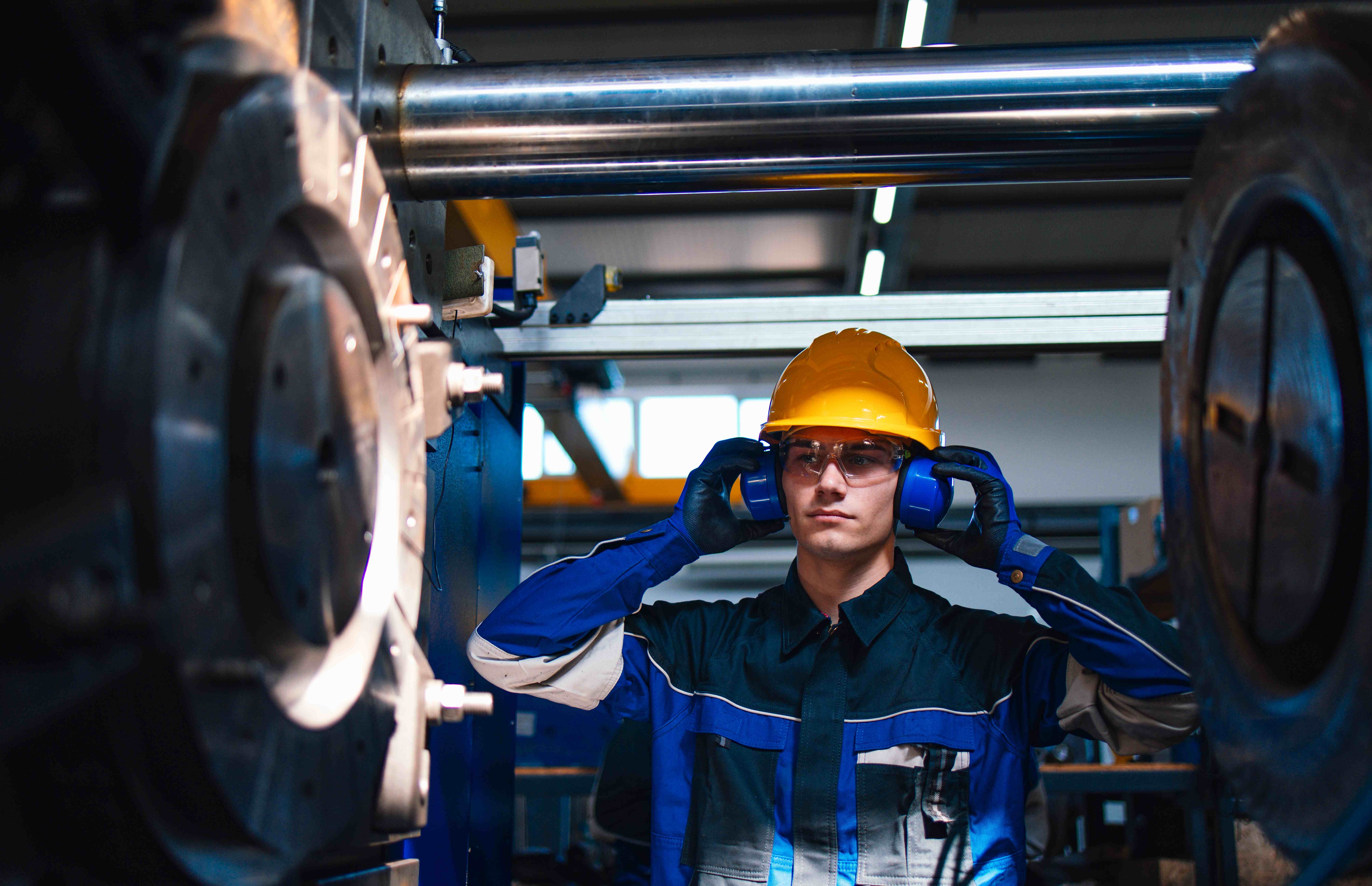

Manufacturing environments present complex safety challenges, where traditional methods of incident review often fall short. Relying on past events to inform future safety protocols is a reactive approach that can leave personnel exposed to preventable risks. A shift is needed toward anticipating and neutralizing hazards before they cause harm, which is where predictive analytics offers a transformative path forward.
Moving From Reactive to Proactive Safety Measures
Historically, safety management has depended on lagging indicators, which are metrics that measure events after they have happened. This includes incident rates, injury reports, and lost workdays. While this information is valuable for analysis, it only provides a view of past failures rather than a map for future prevention. A safety program that relies only on lagging indicators means an incident must occur before corrective actions are taken.
Predictive analytics flips this model by focusing on leading indicators. These are proactive measures that identify potential hazards and precursors to incidents. Instead of analyzing why an accident happened, this approach uses data to forecast where and when an incident is likely to occur. This enables organizations to intervene and mitigate risks before they escalate into injuries or equipment damage. The transition represents a fundamental change from a reactive posture to a proactive strategy, creating a safer and more resilient work environment.
How Predictive Analytics Works in a Manufacturing Setting
Predictive analytics in a manufacturing context uses artificial intelligence and machine learning to analyze large datasets from various sources. Algorithms identify patterns, correlations, and anomalies that are not obvious to human observers. This process transforms raw data into actionable insights that can forecast potential safety issues with a high degree of accuracy.
Data Sources for Analysis
The strength of a predictive system depends on the quality and breadth of its data. Information is gathered from multiple points across the facility to build a comprehensive picture of the operational environment. Sources often include:
- Video feeds from existing camera systems
- Sensor data from machinery and equipment
- Incident reports and near-miss documentation
- Employee feedback and observational data
- Environmental monitors for factors like temperature and air quality
By integrating these diverse data streams, machine learning models can detect subtle changes that might signal an impending risk. For example, a system might correlate specific machine vibrations with a higher probability of component failure or connect certain worker movements with an increased risk for ergonomic injuries.
Practical Applications for Improving Worker Safety
The insights generated by predictive analytics have direct applications on the facility floor, helping to create a safer operational landscape. These systems can autonomously monitor complex environments and identify hazards that might otherwise go unnoticed.
Identifying At-Risk Behaviors and Conditions
Computer vision, a field of AI, enables systems to interpret visual data from cameras in real time. This technology can automatically detect unsafe behaviors and conditions without constant human supervision. Examples include:
- Recognizing when an employee is not wearing required personal protective equipment (PPE).
- Identifying improper lifting techniques or awkward postures that could lead to musculoskeletal injuries.
- Alerting supervisors when a person enters a restricted zone or walks into the path of moving machinery.
- Detecting spills or other slip, trip, and fall hazards.
When a potential risk is detected, the system can issue an immediate alert, allowing for a swift intervention. This real-time capability helps reinforce safety protocols and correct unsafe actions before they result in an incident.
Forecasting Equipment Failures
Predictive maintenance is another powerful application of this technology. By continuously monitoring equipment performance through sensors that track vibration, temperature, and other metrics, analytics can predict when a machine is likely to fail. This approach allows maintenance to be scheduled precisely when needed, preventing catastrophic failures that could endanger workers and cause significant downtime. It also improves the reliability of critical safety systems, ensuring they function correctly when needed.
Implementing a Predictive Safety Program
Adopting a predictive analytics program requires more than just installing new software. It involves a strategic commitment to building a data-driven safety culture. Leadership must support the initiative with adequate resources and a clear vision. It is also important to address employee concerns about data privacy through transparent policies and features like facial blurring to anonymize video data.
Integrating the new system with existing infrastructure, such as security cameras, is a practical first step. Starting with a pilot program focused on a specific high-risk area can help demonstrate value and refine the approach before a full-scale deployment. Success depends on turning analytical insights into concrete actions that measurably reduce risk and improve safety outcomes.
As manufacturing operations become more complex, the tools used to protect workers must also advance. Predictive technologies provide the foresight needed to move beyond reaction and build a genuinely proactive safety framework. Accessing a dedicated Protex AI manufacturing safety platform can help organizations harness their existing data to anticipate hazards and prevent incidents, creating a safer and more productive environment for everyone.


