The Daily Gaze

A daily gaze on global events

Customer Satisfaction

Building Customer Loyalty Through Better Brand Experiences

In today’s competitive marketplace, customer loyalty is no longer a given; it’s a hard-earned asset. Businesses striving for sustained growth understand that transaction-focused approaches are insufficient. Instead, crafting superior brand experiences is the most effective way to foster deep, lasting connections with customers, turning them into advocates and repeat buyers. A positive brand experience creates memorable moments that resonate with individuals, distinguishing a business from its competitors and securing a vital role in their lives.

Overview

  • Customer loyalty is built upon consistently positive brand experiences, moving beyond mere transactions.
  • A clear understanding of what constitutes a ‘better’ brand experience is fundamental, focusing on customer needs and values.
  • Creating a seamless and uniform customer journey across all touchpoints is crucial for building trust and reliability.
  • Establishing emotional connections through empathy and genuine interaction forms the bedrock of strong customer relationships.
  • Personalization, based on data and individual preferences, makes customers feel valued and understood.
  • Transparency and trust are non-negotiable elements that reinforce a brand’s integrity and long-term appeal.
  • Actively soliciting and utilizing customer feedback is essential for continuous improvement and demonstrating responsiveness.
  • Implementing effective loyalty programs and community-building efforts reward existing customers and solidify their commitment.

Defining a Better Brand Experience for Lasting Loyalty

A better brand experience is one that consistently meets or exceeds customer expectations, leaving them feeling understood, valued, and satisfied. It encompasses every interaction a customer has with your brand, from initial awareness to post-purchase support. This involves more than just product quality; it includes the ease of finding information, the helpfulness of customer service, the intuitive nature of your website or app, and the overall feeling customers get when engaging with your company. A truly loyal customer feels a sense of belonging and trust, knowing they can rely on your brand to deliver not just products or

Building Better Customer Experiences Through Quality

In today’s competitive market, merely satisfying customers is no longer sufficient. Businesses must strive to create exceptional experiences that foster loyalty and advocacy. At the heart of building these superior customer interactions lies an unwavering commitment to quality. Quality, in this context, extends far beyond the product or service itself; it encompasses every touchpoint, every interaction, and every moment a customer engages with a brand. Prioritizing quality throughout the customer journey is a fundamental strategy for sustained growth and reputation building.

Overview

  • Quality is crucial for building lasting customer experiences, extending beyond products to every interaction.
  • Defining quality in customer engagement involves reliability, responsiveness, empathy, and consistency across all touchpoints.
  • Implementing quality standards requires clear processes, robust training, and empowered employees capable of delivering excellent service.
  • Regular measurement through metrics like NPS, CSAT, and effort scores helps gauge the impact of quality initiatives on customer satisfaction and loyalty.
  • A company-wide culture that values quality, supported by leadership and continuous feedback, is essential for successful implementation.
  • Investing in quality customer experiences directly leads to increased customer retention, stronger brand reputation, and improved business outcomes.
  • Technology plays a significant role in enabling quality delivery, from efficient CRM systems to personalized communication tools.

Understanding Quality’s Core in Customer Engagement

Quality in customer engagement isn’t a vague concept; it’s a measurable set of attributes that directly influence customer perception and satisfaction. It starts with reliability – customers expect products and services to perform as promised, consistently. Beyond this, quality in customer experience involves responsiveness, meaning prompt and effective resolution of inquiries and issues. Empathy plays a significant role, as customers appreciate feeling understood and valued. Consistency across all channels and interactions is equally vital, ensuring a cohesive and predictable brand experience regardless of how or where a customer interacts with the company. This holistic

Creating Better Customer Experiences With Smart Ideas

Delivering outstanding customer experiences is no longer just a competitive advantage; it’s a fundamental expectation. In today’s interconnected world, businesses must employ intelligent strategies to meet and exceed customer needs, fostering loyalty and driving growth. This involves leveraging technology, understanding human behavior, and continuously adapting to feedback. The goal is to build meaningful interactions that resonate long after a transaction is complete, making every customer feel valued and understood.

Overview

  • Understanding customer needs through data analytics is crucial for personalization.
  • Digital tools streamline interactions, offering convenience and efficiency to customers.
  • Empowering employees with training and autonomy leads to superior service delivery.
  • AI and automation personalize customer journeys, anticipating needs and offering relevant solutions.
  • Gathering and acting on customer feedback is essential for ongoing improvement and adaptation.
  • Proactive problem-solving and support prevent issues before they impact customers.
  • Building a strong community fosters loyalty and turns customers into brand advocates.

Understanding Customer Needs with Data Analytics

Truly exceptional customer experiences begin with a deep understanding of who your customers are and what they genuinely want. This comprehension comes from robust data analytics, moving beyond surface-level observations to reveal profound insights. Companies collect data from every touchpoint, including website visits, purchase history, social media interactions, and customer service inquiries. Analyzing these vast datasets allows businesses to identify patterns, preferences, and pain points that might otherwise go unnoticed. Customer Relationship Management (CRM) systems play a pivotal role here, centralizing information and creating a holistic view of each customer. This enables businesses to segment their audience, tailoring services and communications to specific groups rather than adopting a one-size-fits-all approach. Predictive analytics takes this a step further, forecasting future needs or potential issues based on past behavior, allowing for proactive engagement and personalized interventions.

Streamlining Interactions Through Digital Tools

Modern customers expect quick, effortless interactions, and

Building Better Customer Experiences With Simplicity

In a world filled with endless choices and complex digital interfaces, the pursuit of simpler customer experiences has become a critical differentiator for businesses. Customers often feel overwhelmed by intricate processes, confusing jargon, and fragmented service channels. By consciously choosing simplicity, organizations can reduce friction, build trust, and foster loyalty, making every interaction feel effortless and satisfying. This approach isn’t about doing less; it’s about doing what truly matters, with clarity and ease, consistently delivering value that resonates deeply with the customer.

Overview

  • Simplifying customer experience starts with understanding customer needs and pain points.
  • Streamlining the customer journey by removing unnecessary steps improves satisfaction.
  • Clear and direct communication across all channels prevents confusion and frustration.
  • Providing intuitive self-service options empowers customers and reduces support load.
  • Training staff to prioritize straightforward solutions makes interactions more effective.
  • Regularly collecting feedback helps identify areas where complexity can be reduced.
  • A focus on simplicity leads to higher customer retention and stronger brand advocacy.

Understanding the Core of Simple Interactions

Achieving simplicity in customer experience begins with a deep appreciation for the customer’s perspective. It requires stepping back and observing every touchpoint through their eyes, identifying areas where confusion or effort might arise. Simple interactions are those that feel intuitive, require minimal cognitive load, and quickly lead to a desired outcome. This often means removing obstacles, clarifying choices, and making information readily accessible. Businesses should prioritize understanding the core need behind each customer inquiry or action. Instead of offering a multitude of options, present the most relevant ones first. By focusing on what customers truly want to accomplish, companies can strip away unnecessary layers that complicate service and product usage. This foundational understanding allows organizations to design systems and processes that are inherently user-friendly, setting the stage for genuinely better experiences.

Streamlining Customer Journeys for

Customer Feedback Strategies: Enhancing Business Excellence

Customer Feedback Strategies: Enhancing Business Excellence

Leveraging Customer Feedback Strategies for Business Excellence

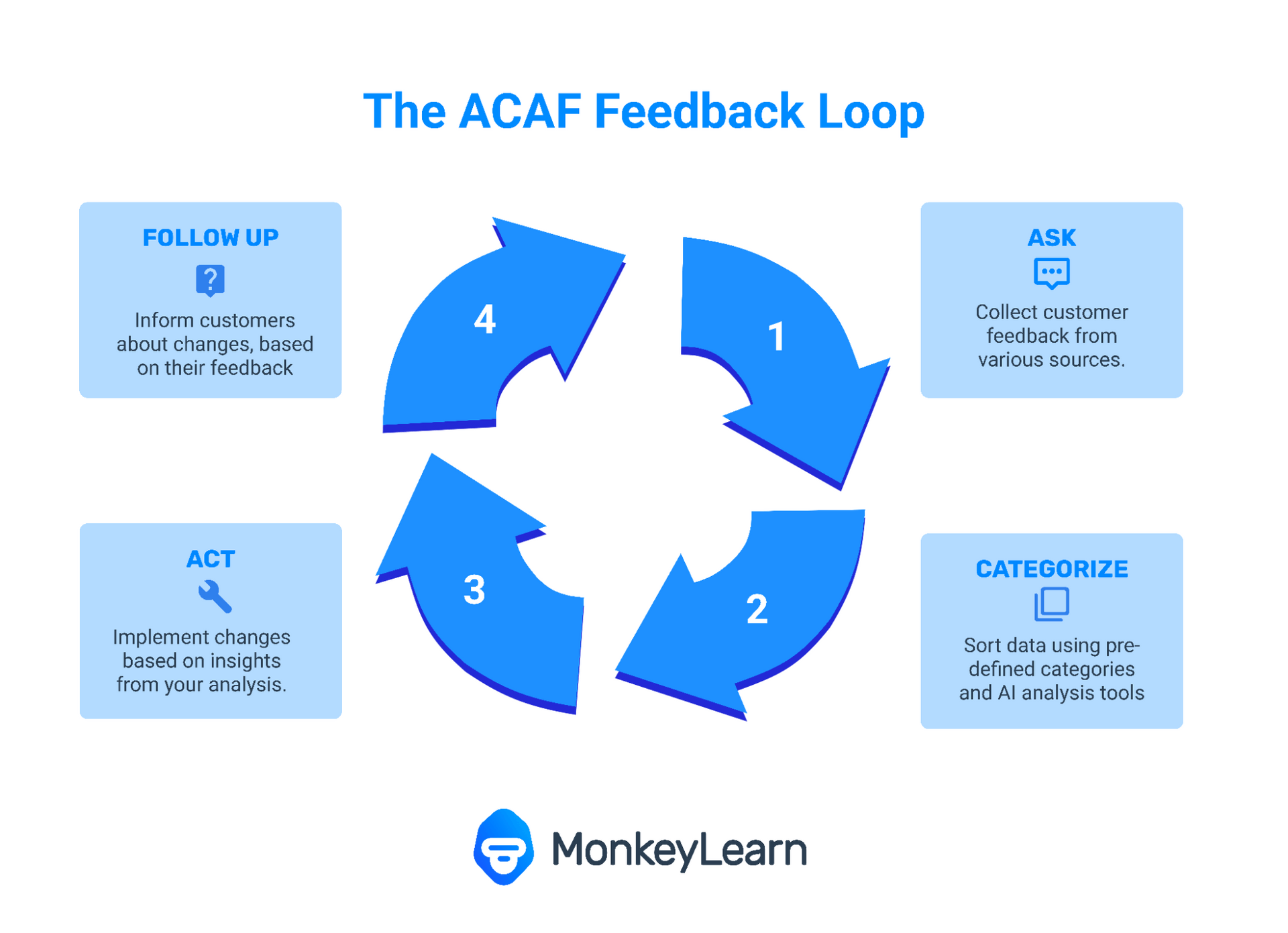
Understanding and incorporating effective customer feedback strategies is essential for businesses looking to thrive in today’s competitive landscape. This article explores various strategies to harness the power of customer feedback and enhance overall business excellence.

The Significance of Customer Feedback

Customer feedback serves as a valuable source of insights that can guide business decisions and improvements. Acknowledging the significance of customer opinions helps companies build stronger relationships, increase customer satisfaction, and identify areas for growth.

Implementing Timely Surveys and Questionnaires

One of the fundamental strategies for collecting customer feedback is through surveys and questionnaires. Implementing timely surveys, whether after a purchase or a service interaction, allows businesses to capture the customer’s experience while it’s still fresh in their minds.

Encouraging Customer Reviews and Testimonials

Encouraging customers to share their experiences through reviews and testimonials is a powerful feedback strategy. Positive reviews build credibility and trust, influencing potential customers. Actively seeking and showcasing these testimonials can enhance the business’s reputation.

Utilizing Net Promoter Score (NPS) Surveys

Net Promoter Score (NPS) surveys are a quantitative method for gauging customer loyalty. By asking customers a simple question—how likely they are to recommend the business—companies can categorize customers as promoters, passives, or detractors, gaining valuable insights into overall satisfaction.

Embracing Social Media Listening

In the digital age, social media platforms are a rich source of customer feedback. Embracing social media listening tools allows businesses to monitor online conversations, understand sentiment, and promptly address customer concerns, showcasing a commitment to customer satisfaction.

Implementing Customer Feedback Software

Investing in customer feedback software streamlines the feedback collection process. These platforms often offer features like sentiment analysis, trend identification, and customizable surveys, providing businesses with actionable insights to enhance their products and services.

Establishing a Customer Feedback Loop

Creating a structured

Maximizing Online Selling Success: Strategies for Growth and Profit

Maximizing Online Selling Success: Strategies for Growth and Profit

Maximizing Your Potential: Strategies for Online Selling Success

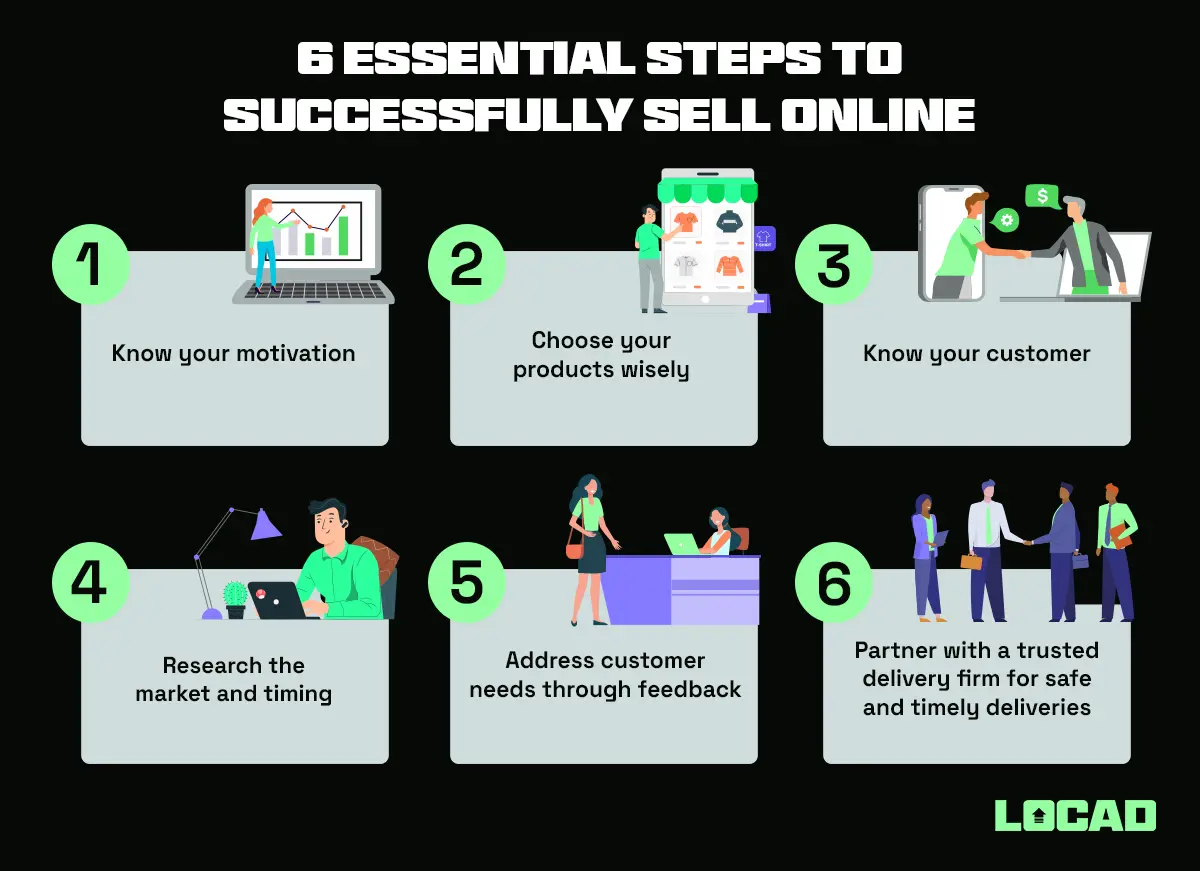
In the ever-evolving landscape of e-commerce, achieving success in online selling requires a strategic approach. From understanding market dynamics to optimizing your digital presence, here’s a comprehensive guide to help you navigate the complexities of online business and maximize your selling potential.

Navigating Market Dynamics

Understanding the dynamics of the online market is crucial for any seller aiming for success. Conduct thorough market research to identify trends, analyze competitor strategies, and pinpoint gaps in the market that you can fill. This knowledge will lay the foundation for a strategic approach to online selling.

Building a Strong Online Presence

Your online presence is your virtual storefront. Ensure it is appealing, user-friendly, and reflects your brand identity. Invest in professional website design, optimize for mobile devices, and provide a seamless shopping experience. Utilize high-quality images and compelling product descriptions to engage potential customers.

Effective Utilization of Social Media

In the digital age, social media platforms are powerful tools for reaching a broader audience. Develop a robust social media strategy to promote your products, interact with customers, and build a community around your brand. Consistent and engaging content can foster brand loyalty and drive traffic to your online store.

Optimizing for Search Engines

Search engine optimization (SEO) is a key factor in improving your online visibility. Identify relevant keywords related to your products and incorporate them into your website content. Regularly update your site, enhance page load speed, and build high-quality backlinks to improve your search engine rankings and attract organic traffic.

Utilizing E-Commerce Platforms

Choose the right e-commerce platform that aligns with your business needs. Platforms like Shopify, WooCommerce, or BigCommerce offer various features to streamline your online selling process. Leverage the built-in tools for inventory management, order processing, and payment gateways to enhance

Seizing Service Sector Opportunities for Growth

Seizing Service Sector Opportunities for Growth

Seizing Service Sector Opportunities for Growth

The service industry presents a vast landscape of opportunities for businesses seeking growth and success. In this article, we’ll explore key insights and strategies to capitalize on the vast potential within the service sector.

Understanding the Service Industry Landscape

Before diving into opportunities, it’s essential to understand the diverse landscape of the service industry. From hospitality and healthcare to consulting and technology services, the sector encompasses a broad array of businesses. Each sub-sector has its unique challenges and growth prospects, requiring tailored strategies for success.

Identifying Emerging Trends and Demands

In a dynamic service industry, staying abreast of emerging trends is crucial. Identify evolving consumer demands, technological advancements, and market trends. Whether it’s the adoption of digital platforms, a shift toward sustainable practices, or changes in consumer preferences, being attuned to industry trends positions businesses to capitalize on new opportunities.

Leveraging Technology for Enhanced Service Delivery

Technology plays a pivotal role in the evolution of the service industry. Embrace digital transformation to enhance service delivery. From online booking systems and customer relationship management (CRM) tools to artificial intelligence (AI) applications, technology integration not only improves efficiency but also enhances the overall customer experience.

Customer-Centric Approach and Personalization

The service industry thrives on customer satisfaction. Adopt a customer-centric approach by focusing on personalized services. Tailor offerings to meet individual needs, provide exceptional customer support, and actively seek feedback. Building strong relationships with customers fosters loyalty and generates positive word-of-mouth, a powerful driver for business growth.

Strategic Marketing and Branding

Effective marketing is indispensable for service industry success. Develop a robust marketing strategy that highlights the unique value propositions of your services. Leverage online and offline channels to reach your target audience. Establish a strong brand identity that resonates with customers, building trust and credibility in