
Maximizing Solar Power at Home: Essential Residential System Tips

Maximizing Solar Power at Home: Essential Residential System Tips
Harnessing solar power for residential use is not just an environmentally conscious decision but also a smart investment. To make the most of your residential solar system, consider these essential tips that ensure efficiency, longevity, and maximum savings.
Understanding Your Energy Needs
Before diving into the world of residential solar, conduct an energy audit to understand your household’s energy needs. Analyze your electricity consumption patterns to determine the appropriate size and capacity for your solar system.
Choosing the Right Solar Panels
Selecting the right solar panels is a critical decision that influences the performance of your system. Consider factors such as efficiency, durability, and warranty when choosing between monocrystalline, polycrystalline, or thin-film solar panels.
Optimizing Solar Panel Placement
The efficiency of your solar system depends on proper panel placement. Ensure that panels receive maximum sunlight by optimizing their orientation and tilt. Regularly clean panels to remove dust or debris that can hinder sunlight absorption.
Investing in Quality Inverters
Inverters play a pivotal role in converting solar energy into usable electricity. Investing in high-quality inverters ensures optimal performance and longevity of your solar system. Consider inverters with advanced features like real-time monitoring for better control.
Regular Maintenance for Peak Performance
To maximize the lifespan and efficiency of your residential solar system, regular maintenance is crucial. Schedule routine inspections, check for any potential issues, and promptly address concerns to prevent performance degradation.
Exploring Energy Storage Options
For homeowners looking to enhance their energy independence, investing in energy storage solutions such as batteries can be advantageous. Battery systems store excess solar energy for use during cloudy days or nighttime, providing a reliable power source.
Taking Advantage of Government Incentives
Many governments offer incentives and rebates to encourage the adoption of solar energy. Research and
Strategic Marketing Wisdom: Expert Advice for Success

Mastering Marketing: Strategic Advice for Success
Navigating the Marketing Landscape:
In a dynamic business world, strategic marketing advice is invaluable. Understanding the ever-evolving marketing landscape is crucial for businesses aiming to connect with their target audience and achieve sustained success.
Crafting a Comprehensive Marketing Plan:
Effective marketing starts with a well-thought-out plan. A comprehensive marketing plan outlines goals, identifies target audiences, and details strategies for reaching them. This roadmap serves as a guide for businesses to navigate the competitive market.
Digital Transformation in Marketing:
The digital era has transformed marketing significantly. Incorporating digital strategies is no longer an option but a necessity. From online presence and social media marketing to email campaigns and SEO, businesses must embrace digital channels to stay competitive.
Content is King:
Compelling content lies at the heart of successful marketing. Whether it’s blog posts, videos, or social media updates, creating content that resonates with your audience establishes your brand as an authority in the industry. Consistent, high-quality content builds trust and loyalty.
Understanding Target Audience Psychology:
A key piece of marketing advice is understanding the psychology of your target audience. Analyzing their needs, preferences, and behavior helps tailor marketing messages that resonate. This deep understanding forms the basis for effective communication and engagement.
Utilizing Data-Driven Insights:
Data is a powerful tool in modern marketing. Analyzing customer data, campaign performance, and market trends provides valuable insights. Utilizing data-driven decision-making allows businesses to optimize strategies, enhance customer experiences, and drive better results.
Building Strong Branding Strategies:
A solid brand is a powerful asset. Marketing advice often emphasizes the importance of consistent branding across all channels. From logos and visual elements to messaging and values, a strong brand identity builds recognition and trust among consumers.
Engaging with Social Media Platforms:
Social media is a cornerstone of contemporary marketing. Engaging
Navigating Risks: Essential Tips for Effective Mitigation
Navigating Risks: Essential Tips for Effective Mitigation
In the intricate journey of business and life, mastering the art of risk mitigation is paramount for sustainable success. Explore these essential tips designed to guide you through the process, empowering you to proactively manage uncertainties.
Understanding the Terrain: Comprehensive Risk Assessment
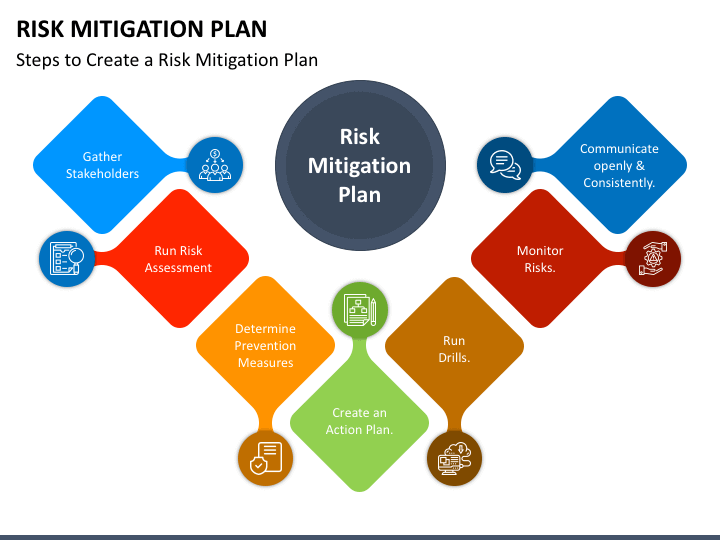
Embarking on the path of risk mitigation begins with a comprehensive understanding of the terrain. Conduct a thorough risk assessment to identify potential pitfalls. Scrutinize financial risks, operational challenges, and external factors that might pose threats. This foundational step lays the groundwork for a strategic risk management approach.
Charting the Course: Prioritize Based on Impact and Probability
Not all risks are created equal. Chart your course by prioritizing risks based on their potential impact and likelihood of occurrence. Focus on addressing high-impact, high-probability risks first. This strategic approach allows you to allocate resources efficiently and confront the most significant threats with targeted mitigation strategies.
Navigational Blueprint: Develop a Robust Risk Management Plan
A well-defined risk management plan serves as your navigational blueprint through uncertainty. Outline specific strategies and actions for mitigating identified risks. Communicate this plan clearly to all stakeholders, ensuring everyone understands their roles and responsibilities in the risk mitigation journey.
Exploring the Financial Landscape: Diversify and Hedge Financial Risks
Financial risks are inherent in the business landscape. Explore the financial landscape by diversifying your investments and portfolios. Spread risks across different assets and consider hedging strategies to protect against market fluctuations. These proactive financial measures act as safeguards in the face of economic uncertainties.
Building Safety Nets: Establish Contingency Plans
In the unpredictable terrain of risks, building safety nets is essential. Establish contingency plans to address unforeseen circumstances. Whether it’s backup suppliers, alternative project timelines, or emergency funds, contingency plans provide a safety net when the unexpected happens.
Knowledge
Revolutionizing Success: Tips for Business Model Innovation
Revolutionizing Success: Tips for Business Model Innovation
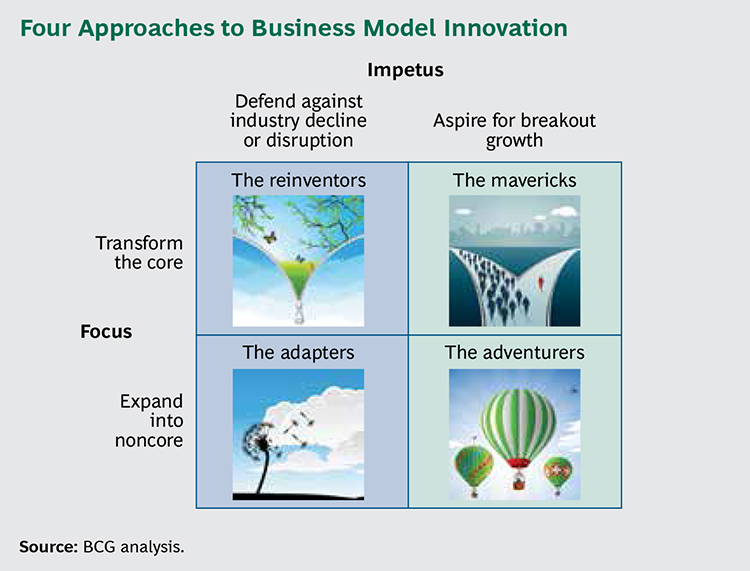
In the ever-evolving business landscape, staying ahead requires continuous innovation, especially in the realm of business models. Here, we’ll explore valuable tips to guide businesses in revolutionizing their success through innovative business models.
Understanding the Current Landscape
Before embarking on business model innovation, it’s crucial to thoroughly understand the current business landscape. Analyze market trends, consumer behaviors, and industry shifts. This understanding forms the foundation for identifying areas where innovation can make a significant impact and align with market demands.
Embracing a Customer-Centric Approach
Business model innovation should be driven by a deep understanding of customer needs and preferences. Adopt a customer-centric approach to identify pain points, desires, and unmet needs. Tailor your business model to address these elements, ensuring that the innovation resonates with your target audience and adds value to their experiences.
Leveraging Technology and Digitalization
Innovation often goes hand in hand with technology. Embrace the latest technological advancements and digitalization trends. Whether it’s incorporating e-commerce solutions, leveraging data analytics, or implementing automation, technology can be a powerful enabler for transforming and optimizing business models.
Exploring New Revenue Streams
Diversifying revenue streams is a key aspect of business model innovation. Explore new avenues for generating income that align with your core competencies. This might involve introducing subscription models, licensing arrangements, or forging strategic partnerships to tap into complementary revenue sources.
Fostering a Culture of Innovation
Successful business model innovation is not a one-time endeavor; it requires a continuous commitment to fostering a culture of innovation within the organization. Encourage employees at all levels to contribute ideas, experiment with new approaches, and embrace a mindset that values adaptability and creativity.
Collaborating with External Partners
Innovation doesn’t have to happen in isolation. Collaborate with external partners, such as other businesses, startups, or research

Navigating Turbulence: Effective Crisis Communication Strategies
Navigating Turbulence: Effective Crisis Communication Strategies
The Crucial Role of Communication in Crisis:
In times of crisis, effective communication is paramount. Whether facing a public relations nightmare, a natural disaster, or a global health crisis, organizations must navigate turbulence with clarity and transparency. Here, we explore essential crisis communication tips to guide organizations through challenging times.
Establishing a Crisis Communication Team:
The foundation of effective crisis communication is a well-prepared team. Establish a crisis communication team comprising key stakeholders, including representatives from leadership, communications, legal, and relevant departments. This team will serve as the central hub for decision-making and information dissemination during a crisis.
Developing a Crisis Communication Plan:
Preparation is key to effective crisis communication. Develop a comprehensive crisis communication plan that outlines roles, responsibilities, and communication protocols. Identify potential crisis scenarios, draft key messages, and establish channels for swift communication. A well-thought-out plan ensures a coordinated response when faced with unexpected challenges.
Prioritizing Transparency and Honesty:
Transparency is the cornerstone of successful crisis communication. In times of uncertainty, prioritize honesty and openness. Provide clear and factual information to stakeholders, acknowledging the severity of the situation. Avoid misinformation and speculation, as they can erode trust. A transparent approach builds credibility and fosters confidence.
Swift and Timely Communication:
Timeliness is critical in crisis communication. Swiftly communicate key information as it becomes available. In the age of social media and instant news, delays can lead to misinformation and heightened anxiety. Use various communication channels, including social media, press releases, and internal communications, to disseminate timely updates.
Customizing Messages for Different Audiences:
Different stakeholders require tailored messages during a crisis. Consider the unique needs and concerns of various audiences, such as employees, customers, investors, and the public. Customize messages to address specific concerns and provide relevant information. This targeted approach demonstrates empathy
Small Business Opportunities in the USA: A Guide to Success

Unlocking Growth: Small Business Opportunities in the USA
Small businesses form the backbone of the American economy, and navigating the landscape for opportunities is crucial. This article explores the diverse avenues available for entrepreneurs, shedding light on the potential for success in the dynamic market of the United States.
1. The Resilience of Small Businesses in the USA
Small businesses have demonstrated remarkable resilience, especially in the USA. Despite challenges, they continue to thrive and contribute significantly to the economy. This section delves into the characteristics that make small businesses resilient and outlines the opportunities embedded in their adaptability.
2. Emerging Trends: Identifying Lucrative Niches
Staying abreast of emerging trends is essential for small business success. Whether it’s in technology, sustainability, or niche markets, entrepreneurs can identify lucrative opportunities by understanding and aligning with evolving consumer preferences. This section explores the importance of trend analysis in identifying new business prospects.
3. E-commerce Boom: Riding the Digital Wave
The rise of e-commerce presents a vast frontier for small businesses. From online retail to service-oriented platforms, entrepreneurs can capitalize on the e-commerce boom. This part of the article outlines strategies for small businesses to establish and expand their online presence, tapping into the growing digital market.
4. Local and Sustainable Ventures: Meeting Consumer Demands
Consumer preferences are shifting towards local and sustainable options. Small businesses have an opportunity to cater to this demand by offering products and services that prioritize locality and sustainability. Explore how entrepreneurs can carve a niche by aligning with eco-friendly practices and community engagement.
5. Technology Integration: Leveraging Innovation
In the fast-paced world of business, technology integration is not just an option; it’s a necessity. Small businesses can seize opportunities by incorporating innovative technologies into their operations. This section explores how adopting tools like AI, automation, and data
Efficient Commercial Solar Installation: Essential Tips for Success

Efficient Commercial Solar Installation: Essential Tips for Success
Commercial solar installations are a sustainable and cost-effective solution for businesses looking to reduce their environmental impact and energy costs. To ensure the success of your commercial solar project, consider these essential tips for efficient installation.
Conducting a Comprehensive Energy Audit
Before embarking on a commercial solar installation, conduct a thorough energy audit of your facility. Understanding your energy consumption patterns allows for a customized solar solution that meets your specific needs. Identify high-energy-use areas to maximize the impact of your solar investment.
Choosing the Right Solar System Size and Type
Selecting the appropriate size and type of solar system is critical for optimizing energy production. Consider factors such as available roof space, energy needs, and local climate conditions. Whether it’s a rooftop solar system or ground-mounted installation, tailor the choice to your business requirements.
Exploring Incentives and Rebates
Take advantage of available incentives and rebates to make your commercial solar project more financially viable. Governments and local utilities often offer incentives to promote renewable energy adoption. Research available programs and factor them into your project budget.
Ensuring Proper Roof Condition and Structural Support
Evaluate the condition of your commercial property’s roof to ensure it can support a solar installation. Address any necessary repairs or reinforcements before proceeding. A structurally sound foundation is essential for the long-term success and safety of the solar system.
Engaging Professional Solar Installers
Invest in the expertise of professional solar installers experienced in commercial projects. They can assess your site, recommend the best solutions, and ensure proper installation according to industry standards. Professional installers contribute to the efficiency and longevity of your solar investment.
Integrating Energy Storage Solutions
Consider integrating energy storage solutions, such as batteries, into your commercial solar installation. Energy storage provides backup power during
Driving Virtual Store Growth: Strategies for Success

Driving Virtual Store Growth: Strategies for Success
The e-commerce landscape is evolving rapidly, and virtual store growth has become a focal point for businesses aiming to thrive in the digital marketplace. From enhancing user experience to leveraging innovative technologies, here are key strategies for driving growth in your virtual store.
1. Optimizing User Experience
The foundation of virtual store growth lies in providing an exceptional user experience. Ensure your website is user-friendly, responsive, and easy to navigate. A seamless and enjoyable shopping experience encourages repeat visits and positive word-of-mouth, contributing to long-term growth.
2. Leveraging Data Analytics
Data is a powerful asset in the digital age. Utilize data analytics tools to understand customer behavior, preferences, and buying patterns. By gaining insights into your audience, you can tailor your virtual store offerings, marketing strategies, and promotions to meet the specific needs of your customers.
3. Implementing Mobile Commerce Strategies
With the prevalence of smartphones, mobile commerce is a significant driver of virtual store growth. Optimize your website for mobile devices, and consider developing a dedicated mobile app. Streamlining the mobile shopping experience can capture a broader audience and enhance overall sales.
4. Embracing Omnichannel Retailing
Omnichannel retailing involves providing a seamless shopping experience across various channels, including online, in-store, and mobile. Integrating these channels allows customers to engage with your brand in multiple ways, fostering loyalty and driving growth through a cohesive shopping journey.
5. Incorporating Virtual Reality (VR) and Augmented Reality (AR)
Virtual and augmented reality technologies are transforming the online shopping experience. Consider implementing VR or AR features that allow customers to visualize products in their real-world environment. This immersive approach enhances engagement and contributes to a more confident purchasing decision.
6. Strategic Digital Marketing
An effective digital marketing strategy is paramount for virtual store growth. Utilize social media,
Maximize Productivity with Effective Remote Work Strategies

Maximize Productivity with Effective Remote Work Strategies
The landscape of work has undergone a significant transformation with the rise of remote work. As individuals and businesses adapt to this change, it becomes crucial to explore strategies that can enhance productivity in a virtual environment.
Creating a Dedicated Workspace
One of the fundamental aspects of successful remote work is the establishment of a dedicated workspace. Designate an area in your home specifically for work-related tasks. This helps create a mental boundary between work and personal life, fostering a more focused and productive mindset.
Setting Clear Goals and Priorities
In the absence of a physical office, setting clear goals and priorities becomes paramount. Define your daily, weekly, and monthly objectives to maintain a structured approach to your work. This not only keeps you organized but also provides a sense of accomplishment as you tick off completed tasks.
Utilizing Technology for Collaboration
Remote work relies heavily on technology, and leveraging collaborative tools is essential. Explore platforms such as video conferencing, project management tools, and communication apps to stay connected with colleagues. Effective communication and collaboration are crucial for maintaining a cohesive team dynamic.
Establishing a Consistent Routine
Maintaining a consistent routine is vital for remote workers. Establish a schedule that aligns with your peak productivity hours and adheres to regular working hours. This routine helps create a sense of normalcy and discipline, contributing to a more productive work environment.
Taking Regular Breaks for Refreshment
Avoiding burnout is key in a remote work setup. Integrate short breaks into your schedule to refresh your mind and prevent monotony. Whether it’s a quick walk, stretching exercises, or a moment of relaxation, breaks can enhance overall well-being and, consequently, productivity.
Embracing Flexibility with Time Management
While routine is important, remote work also offers the flexibility to adapt

Virtual Ventures Unleashed: Exploring Lucrative Business Opportunities
Virtual Ventures Unleashed: Exploring Lucrative Business Opportunities
The digital landscape has opened up a myriad of virtual business opportunities, empowering entrepreneurs to thrive in the online realm. Let’s delve into the diverse avenues for virtual business exploration and uncover the strategies to make the most of these opportunities.
The Rise of E-Commerce Empires
E-commerce has become a dominant force in the business world, offering entrepreneurs the chance to establish online stores and reach a global customer base. From dropshipping to creating unique products, the world of e-commerce presents endless possibilities. Platforms like Shopify, WooCommerce, and Amazon provide robust frameworks for building virtual storefronts.
Freelancing and the Gig Economy
The rise of freelancing platforms has transformed the traditional job market. Entrepreneurs can tap into the gig economy, offering services ranging from graphic design and content creation to virtual assistance and programming. Platforms like Upwork and Fiverr connect businesses with skilled freelancers, enabling virtual collaboration and project-based work.
Digital Marketing and Affiliate Ventures
Digital marketing is at the forefront of virtual business opportunities. Entrepreneurs can specialize in social media marketing, search engine optimization, or content creation to help businesses expand their online presence. Affiliate marketing, where individuals promote products and earn commissions on sales, is another lucrative avenue for those well-versed in online promotion.
Online Education and E-Learning Platforms
The demand for online education has surged, presenting opportunities for entrepreneurs to create and sell courses. E-learning platforms like Udemy, Teachable, and Coursera allow individuals to share their expertise on a global scale. Whether it’s teaching a new skill or sharing industry insights, online education is a thriving virtual business avenue.
Virtual Events and Webinars
The shift towards virtual experiences has given rise to the virtual events industry. Entrepreneurs can organize webinars, conferences, and virtual trade shows. Platforms like Zoom and Eventbrite facilitate